Why India vs Hong Kong Women’s Cricket Took Over Search
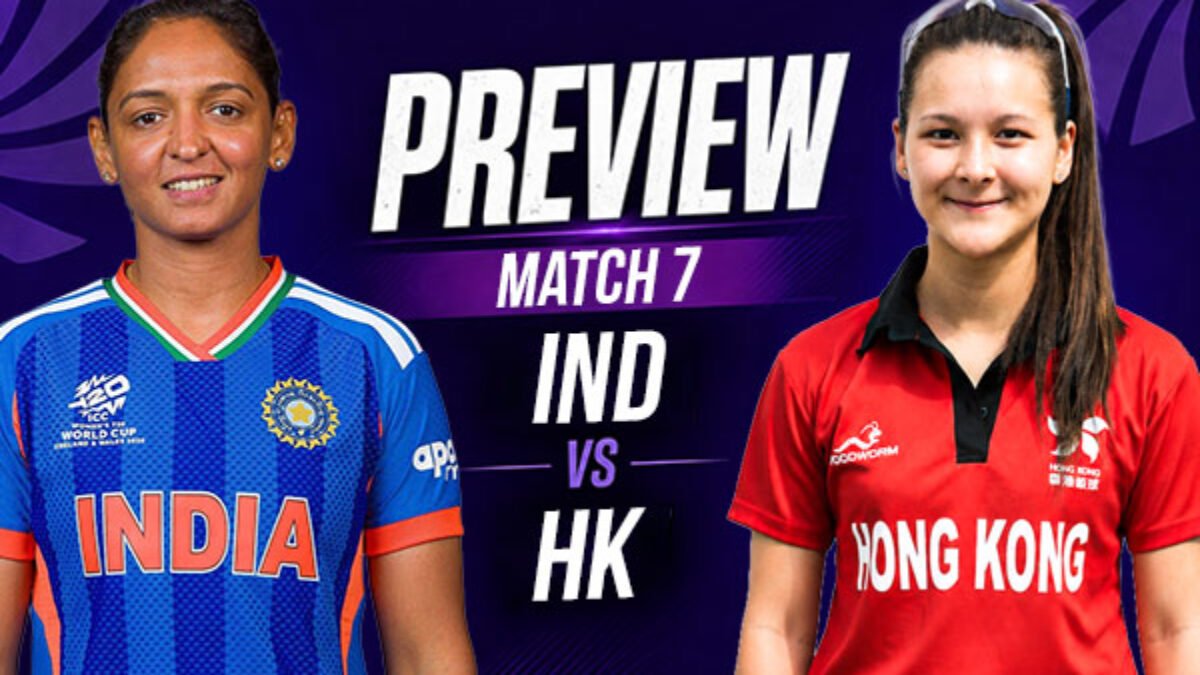
On 12 October 2026, India versus Hong Kong in women’s cricket was among the fastest-rising searches in India. Here is what a match-day spike actually tells a reader.
Noida, 15 October 2026. By Asif Khan, trending-topic researcher at Nexus Global HR.
Google’s India list on 12 October put India versus Hong Kong women’s cricket near the top of rising searches, with public trend boards showing on the order of 200,000 searches attached to that match. That figure is Google’s rounded traffic label for a fast-rising query, not a ticket count and not a television rating. It tells you something simpler: a lot of people opened a search box because a match was on, and they wanted a score, a table, or a confirmation of who was playing.
What people were actually typing
The related queries sitting under the main spike were practical. Standings. The short score name IND-W versus HK-W. People were not searching for a long essay on the history of women’s cricket. They were searching for the state of the game in that hour. That is how sports dominates a trends page. The query is short, the need is immediate, and the answer expires when the next over starts.
A newsroom can mistake that spike for a change in public opinion. It is not. It is a clock. When the match ends, the query falls unless something unusual happened: a record, a dispute, or a player people already know. If you are reading this a day later, the useful question is not “is cricket the most important story in India?” The useful question is “which official scorecard was everyone trying to reach?”
Why women’s matches move the list
Women’s international cricket in India no longer needs a special plea to appear in search. A bilateral or a tournament game with the India women’s side is enough. Hong Kong is not a permanent rival in the way Australia or England is, which is exactly why the query looks surprising on a trends page. Surprise is what the list measures. A match people did not have bookmarked will produce more fresh searches than a match they already follow inside an app.
That also means the spike is a poor guide to the size of the sport. An app user who never leaves the cricket app does not show up as a Google search. A casual viewer who hears the match on a train and types the teams does show up. Trends over-represent the second person. Keep that in mind before you quote the number as a measure of fandom.
How to read the result without a rumour
On a match day, the safe sources are the board that organised the game and a scorecard that shows the toss, the innings and the time of the last update. Screenshots in group chats drop the time. A cropped table can be from the previous meeting of the same teams. If a message says “confirmed” and does not show the over, treat it as unfinished.
This desk is not calling a winner in this note, because a trends snapshot and a result are different documents. The snapshot says the match was being searched. The result lives on the scorecard. If you need the result, open the scorecard dated 12 October 2026 and read the bottom line there, not a forwarded image.
What the spike is good for
It is good for editors who need to know what their city is looking up in the next hour. It is good for families who want the right page and not a lookalike site full of betting pop-ups. It is a weak guide for anything slower: policy, jobs, or the health of a sport across a year. Those need season totals, not a twelve-hour search burst.
If you publish around a spike like this, say the date, say that the number is a search label, and link the official card. That is the whole craft. The rest is noise that arrives in the same hour and leaves with it.
A note on this desk
Asif Khan watches trending search boards for Nexus Global HR in Noida and writes what a reader can verify. This piece is about a sports search. It is not a recruitment notice. The office, if you need it for something else, is Office 006, Metro 15, C Block, Sector 15, Noida 201301.
How a trends number should be quoted
Public trend boards show a rounded count next to a rising query. On 12 October 2026 the India-versus-Hong-Kong women’s cricket query was being described in that rounded way, on the order of 200,000. Rounded labels are not audited circulation figures. They are a signal that the query climbed fast relative to its recent baseline. A query can look enormous because it started near zero. Hong Kong as an opponent is exactly that kind of query. Fans who live inside a cricket app never generate it. Fans who heard the teams in passing do.
If you cite the number in a family chat or in a caption, cite the date with it. A 200,000-style label from Monday is not a description of Wednesday. Sports queries decay within hours unless a record, a dispute, or an injury keeps them alive. Quoting Monday’s label on Wednesday is how a small match is inflated into a national event it may not have been.
Search is not the broadcast
Television ratings, streaming numbers, and stadium attendance measure different rooms. Search measures the room of people who did not already know where to look. That room is large in India because cricket language is shared, and it is especially large for a women’s game that is not yet a standing appointment in every house. The spike is evidence of curiosity. Curiosity is a compliment to the players. It is a weak substitute for a season-long audience study, and it should not be recruited into arguments about whether women’s cricket “deserves” coverage. The coverage question is settled by the fact that the match was on and the country looked it up. The quality of the cricket is on the scorecard, not in the trends table.
Related queries on a day like this tend to be short. People type the team abbreviations, the word score, the word live, and sometimes the tournament name if they caught it. They rarely type a player’s full career record unless that player did something singular in the hour. If your group chat is arguing about a player, ask whether anyone has opened the card, or whether the argument is running on a sentence that lost its over number.
The pages that attach themselves to a spike
A sports spike is also a business opportunity for sites that have nothing to do with the match. Betting prompts, APK files, and “prediction” channels buy their way into the same keywords. They load faster than an official page because they are lighter and because they are not serving a real score. A prediction that claims to know the next wicket is not journalism and it is not a tip from anyone who has seen the pitch. It is a funnel. Close it. The score you want is on a board site or a broadcaster you can name, with a clock you can see updating.
Do not download an app because a link promised a free stream of this particular match. Match-day links are a classic way to push malware and to collect logins. If the cricket is on a channel you already pay for, open that app from its icon, not from a forwarded URL. If it is not on a channel you have, a radio commentary or a text score is a better afternoon than a file you cannot delete.
How households actually use the spike
In a lot of homes the search is a shared errand. Someone in the kitchen asks the score, someone else types it, and the answer is shouted back. That is a good use. The bad use is to treat the trends rank as a ranking of the teams. Hong Kong women’s cricket is not “smaller” because the query was surprising, and India is not “bigger” because the query was large. The query is large because one of the teams is India and the other team was not already in the bookmark list. Rankings of sides belong to the international tables, which were themselves among the related searches on the day. Open the table. Read the date on it. A table from a previous tournament will still look official if the header is cropped.
Children follow these matches more casually than commentators assume, and they also click the ads. If a child is the person refreshing the score in your house, look at the page they landed on. A clean scoreboard does not ask for a credit card. A page that does is the wrong page, even if the score on it happens to be right.
What this desk will update, and what it will not
If a later bulletin from the board changes a result because of a scoring correction, the scorecard is where that correction belongs. This article will not be edited into a fake live blog, and it will not add a winner after the fact just to look complete. The purpose on 12 October was to explain a search, not to impersonate a scorer. Readers who need the result should open the card for that date and read the bottom line there.
The same discipline applies to quotes. Players speak after games. Their lines belong in reports that link the interview. A sentence that begins “the captain said” and does not point at the interview is how this desk would start inventing. It will not. You can care about the match without a manufactured quote.
There is a separate habit in Indian search weeks: one sports query sits beside markets, exams, and gold, and readers feel obliged to rank them. You do not. A family can look up a cricket score at lunch and a scholarship notice at night. The trends page is a queue, not a moral order. Women’s cricket was near the front of the queue on 12 October because a match was on. That is a sufficient explanation. It does not need a speech, and it does not need to be turned into a recruitment metaphor. The job-offer note this week is a different post. This one ends where the search began: with two teams, a date, and a card you should read for yourself.